
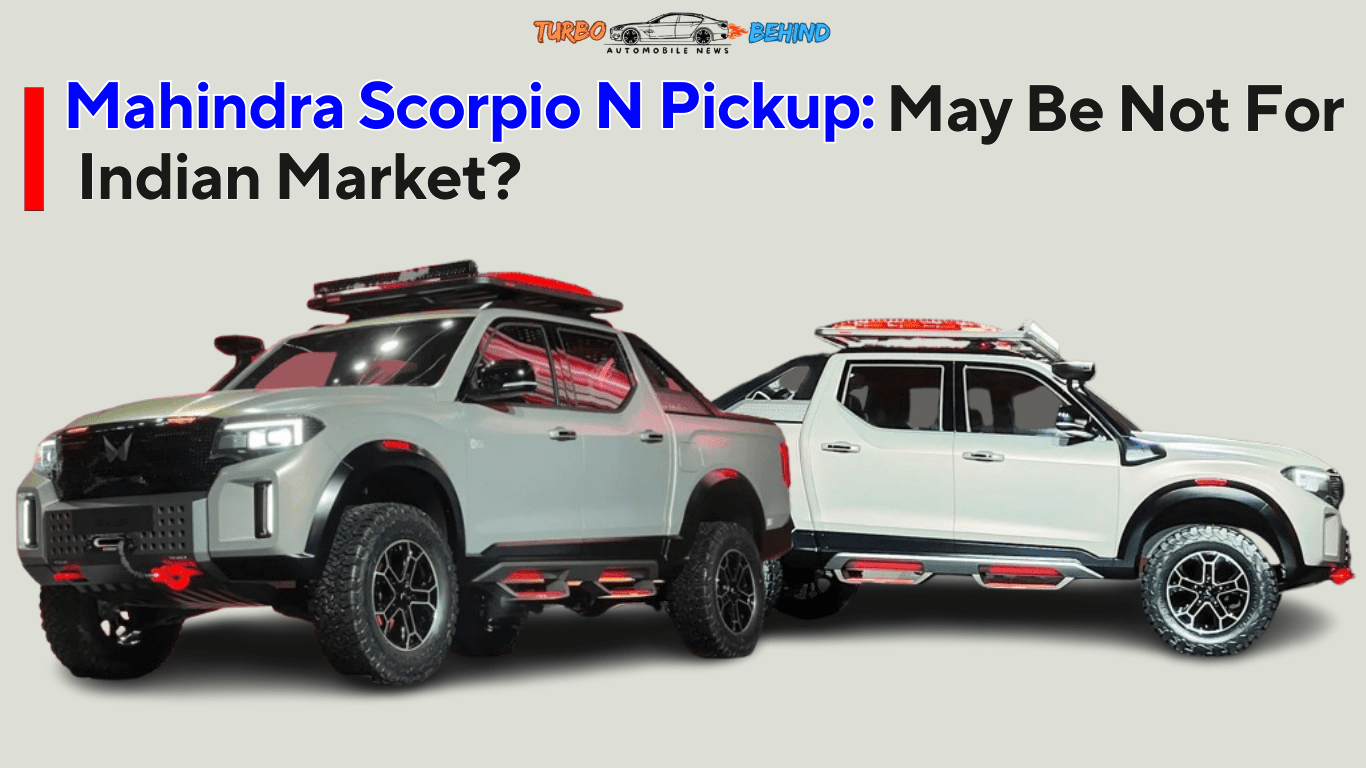
Mahindra is preparing what could become one of its most strategically important utility vehicles in years, a Scorpio-N-based pickup truck designed to blend SUV comfort, real load-carrying capability, and serious off-road performance. Spy shots, concept previews, and Mahindra’s own global “Pik-Up” vision confirm the company is working toward a rugged yet premium pickup aimed at challenging established rivals like the Toyota Hilux and Isuzu D-Max.
But there’s a bigger question beyond the specifications: is India actually ready for a lifestyle pickup truck, or is Mahindra building a vehicle primarily for global markets while hoping India eventually follows? Mahindra isn’t just launching another utility vehicle. It’s attempting to reshape its brand perception, from rugged SUV specialist to global performance utility leader.
What Exactly Is the Scorpio-N Pickup? An SUV Reimagined for Work and Adventure
At its core, the Scorpio-N pickup is a structural transformation of Mahindra’s successful Scorpio-N SUV into a ladder-frame pickup truck with a dedicated cargo bed.
The key differences include:
- Reinforced ladder-frame chassis for heavy-duty load capability
- Extended rear section replacing the enclosed SUV body
- Dedicated flat cargo bed for commercial and lifestyle use
- Retention of Scorpio-N’s premium front design and cabin features
Mahindra first previewed this strategy globally through its Global Pik-Up Concept, signalling its ambition to build vehicles capable of competing internationally, not just domestically. This pickup isn’t intended to replace the Scorpio-N SUV. It’s intended to expand Mahindra’s reach into new buyer segments.
Expected Launch Timeline: Why Mahindra Is Taking Its Time
The Scorpio-N pickup has been repeatedly spotted testing across India throughout 2025, confirming Mahindra is actively validating its performance and durability.
Industry timelines suggest:
- Concept reveal: Already previewed globally
- Public unveiling: Expected late 2025 or early 2026
- Market launch: Likely phased rollout across global markets
Mahindra typically follows a careful development cycle, prioritizing durability testing before launching ladder-frame vehicles. This cautious approach reflects how important this vehicle is to Mahindra’s long-term strategy.
Design and Exterior: Rugged Identity with Premium SUV DNA
Spy shots confirm that the Scorpio-N pickup retains the aggressive design language that made the Scorpio-N SUV successful.
Expected exterior highlights include:
- Bold Scorpio-N front grille and LED headlamp signature
- Muscular wheel arches
- High ground clearance
- Extended cargo bed with reinforced load floor
- Functional yet premium styling balance
The goal is clear: retain the Scorpio-N’s strong road presence while delivering genuine utility capability. This isn’t designed to look like a commercial truck, it’s designed to look like a lifestyle vehicle.
Interior and Features: SUV-Level Comfort in a Pickup Body
Mahindra understands that modern pickup buyers expect comfort, not just durability.
Expected interior features include:
- Large touchscreen infotainment system
- Digital instrument cluster
- Connected car technology
- Multi-function steering wheel
- Premium upholstery options in lifestyle trims
- Rugged materials in commercial variants
Higher variants could also include features like:
- Drive modes
- Ambient lighting
- Advanced driver assistance systems
Mahindra is positioning this pickup closer to premium SUVs than traditional commercial vehicles.
Engine and Performance: Proven mHawk Diesel Expected to Power the Pickup
Mahindra’s trusted 2.2-litre mHawk diesel engine is expected to serve as the primary powertrain.
Expected performance figures:
- Power output: approximately 170–175 bhp
- Torque: approximately 400 Nm
- Transmission options: manual and automatic
- Optional 4×4 drivetrain in higher variants
This engine already powers the Scorpio-N SUV, where it delivers strong performance and excellent towing capability. In pickup form, this torque-focused engine will be critical for heavy load carrying and off-road driving.
Payload and Towing Capability: Built for Serious Utility
While official payload figures are yet to be confirmed, Mahindra’s existing pickup lineup provides realistic benchmarks.
Expected capabilities include:
- Payload capacity: 1,000 to 1,200 kg
- Towing capacity: approximately 2,500 kg
- Ladder-frame durability for heavy-duty use
This places the Scorpio-N pickup in direct competition with global pickup standards.
Variants Strategy: Commercial Utility Meets Premium Lifestyle Positioning
Mahindra is expected to offer multiple variants targeting different buyers.
Single-Cab Variants
Focused on commercial and fleet buyers:
- Maximum payload capacity
- Basic interiors
- Lower pricing
Double-Cab Lifestyle Variants
Focused on private buyers and enthusiasts:
- Premium interiors
- Automatic transmission options
- 4×4 drivetrain availability
- Lifestyle accessories
This dual-strategy approach allows Mahindra to target both business and lifestyle markets.
Why the Original Scorpio Getaway Failed — And Why Mahindra Must Avoid the Same Mistakes
Mahindra has attempted this strategy before with the Scorpio Getaway—but it failed in India.
Key reasons included:
1. Indian Buyers Prioritize Family Utility
SUVs offer enclosed luggage space, more seating, and better practicality. Pickup cargo beds offer limited everyday utility.
2. Cultural Perception Problem
In India, pickups are viewed primarily as commercial vehicles, not lifestyle products. This perception limited private buyer interest.
3. Urban Usability Challenges
Pickup trucks are longer and harder to park in crowded Indian cities. This reduced their practicality.
4. Pricing and Value Perception
Buyers preferred similarly priced SUVs offering more comfort and versatility. The pickup didn’t justify its price.
Why the Scorpio-N Pickup May Succeed Globally Even If India Remains a Challenge
While India remains uncertain, global markets present strong opportunities.
Pickup trucks are popular in:
- Australia
- South Africa
- Southeast Asia
- Middle East
These markets value pickup trucks as lifestyle vehicles. Mahindra’s global strategy is clear: build once, sell globally. India may not be the primary market.
Strategic Importance: This Pickup Is Critical for Mahindra’s Global Brand Position
Mahindra is no longer focused solely on India. Its new strategy emphasizes global expansion. Vehicles like the Scorpio-N pickup help Mahindra:
- Strengthen global credibility
- Compete with international manufacturers
- Expand export presence
- Improve brand perception
This vehicle plays a critical strategic role.
Wrapping It Up
The Mahindra Scorpio-N pickup represents an ambitious attempt to enter one of the world’s most influential vehicle segments. With proven diesel performance, ladder-frame durability, premium interior features, and strong load-carrying capability, it has the potential to compete globally with established rivals like the Toyota Hilux and Isuzu D-Max.
However, India presents unique challenges. Buyer preferences still favour enclosed SUVs over pickup trucks. Cultural perception, urban usability concerns, and practicality limitations may restrict its domestic success. Globally, the story could be very different. The Scorpio-N pickup may not become a mainstream success in India, but it could become a critical vehicle in Mahindra’s global expansion strategy. And ultimately, that may be exactly what Mahindra is aiming for.