
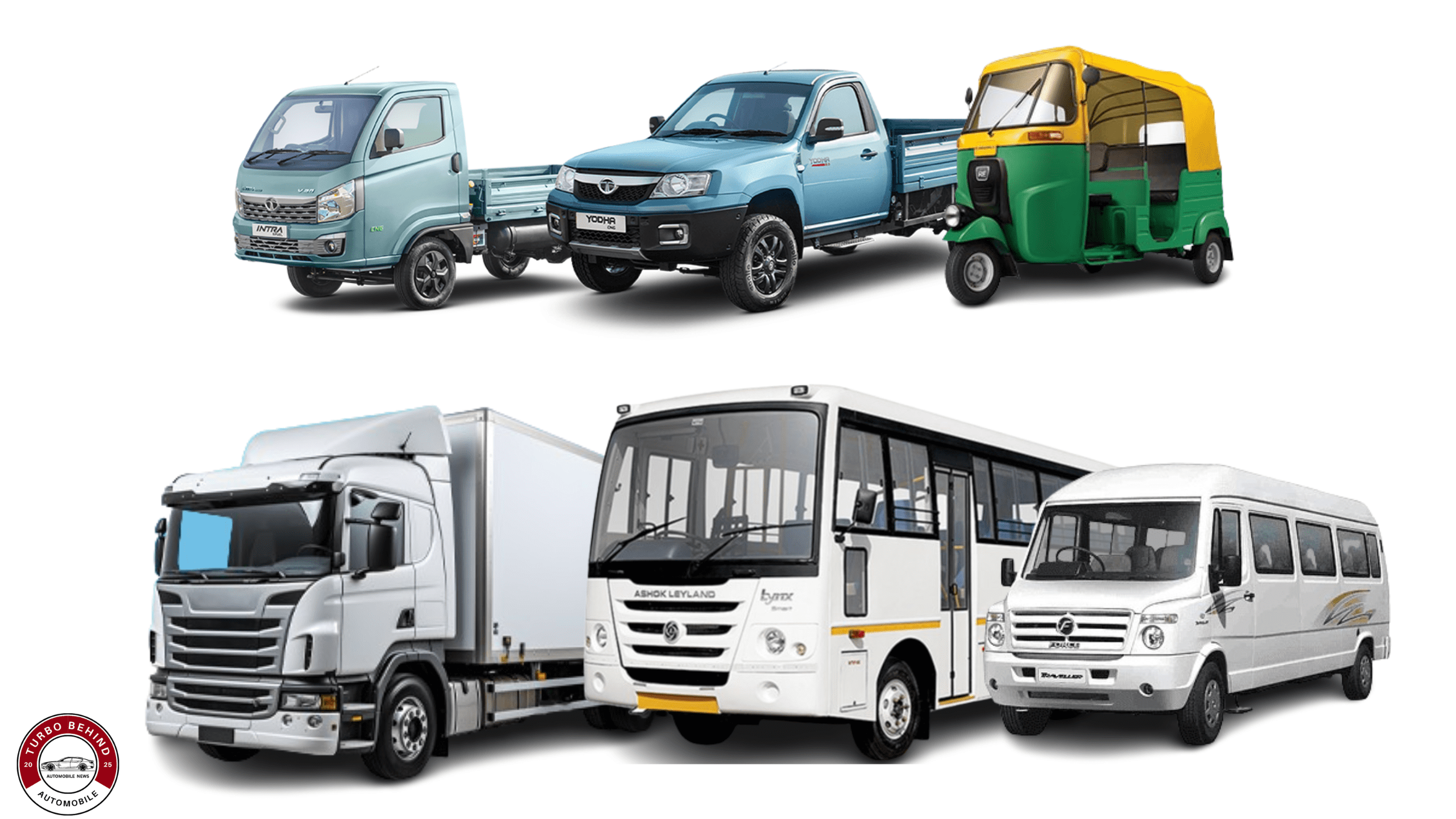
The recent revision in 2025 GST (Goods and Services Tax) rates on commercial vehicles could quietly become one of the most impactful policy moves for India’s transport and agricultural sectors. For years, transporters, farmers, and small fleet operators have struggled with rising vehicle ownership costs, largely driven by high taxation. By reducing GST rates and rationalizing tax slabs across commercial vehicle categories, the government has taken a meaningful step toward easing financial pressure on the backbone of India’s economy.
But this reform is not just about cheaper vehicles. It has the potential to accelerate economic activity, enable fleet modernization, improve rural productivity, and strengthen logistics efficiency across the country.
From truck operators to farmers, the benefits extend across multiple sectors. Here’s a closer look at who gains and why this change matters.
Table of Contents
Trucks – Lower Costs Strengthen India’s Logistics Backbone
Trucks are the foundation of India’s logistics network. Nearly every product — whether agricultural produce, consumer goods, or industrial materials — depends on trucks for transportation at some stage.
Previously, high GST rates significantly increased the upfront cost of purchasing trucks, especially for small fleet operators. With reduced GST rates, the financial barrier to entry has dropped, making truck ownership more accessible.
This brings several key advantages:
Lower EMI burden: Since loan amounts decrease with lower vehicle prices, transporters benefit from reduced monthly installments.
Competitive freight pricing: Lower operating costs allow transport companies to offer more competitive rates, benefiting businesses and consumers alike.
Faster fleet expansion: Small fleet owners can now expand operations without excessive financial strain, helping them compete with larger logistics companies.
For owner-operators managing just a few trucks, these savings can directly improve profitability and long-term business stability.
Tempos – Supporting Small Businesses and Last-Mile Delivery
Tempos and small commercial vehicles are essential for last-mile delivery, especially in cities, towns, and semi-urban areas. They are widely used by shopkeepers, small manufacturers, delivery operators, and independent drivers.
With GST reductions lowering acquisition costs, tempos have become more affordable for entrepreneurs entering the logistics sector.
Key benefits include:
Easier entry for small entrepreneurs: Lower upfront investment makes vehicle ownership possible for more self-employed individuals.
Higher take-home income for drivers: Reduced loan repayments and ownership costs improve driver earnings.
Boost to local commerce: Affordable delivery vehicles help small businesses transport goods efficiently, improving supply chain efficiency.
This is particularly important for smaller cities, where tempos are often the primary mode of commercial transport.
Buses – Improving Public Transport and Passenger Safety
Buses play a critical role in connecting cities, towns, and villages. They are widely used by schools, private operators, and rural transport providers. lower GST rates make it easier for operators to invest in newer, safer buses.
This creates multiple positive outcomes:
Improved passenger safety: New buses include better safety features compared to older vehicles.
Better rural connectivity: Private operators can expand services to underserved areas.
Support for education and tourism: Schools and travel operators benefit from reduced fleet acquisition costs.
Over time, this encourages replacement of outdated vehicles, improving both safety and environmental performance.
Tractors – Reducing Financial Pressure on Farmers
For farmers, tractors are essential tools that directly impact productivity and income. They are used not only for farming but also for transporting goods and providing rental services. Lower GST rates reduce the cost of tractor ownership, making mechanization more accessible.
Key advantages include:
Affordable farm mechanization: Farmers can transition from manual labor to efficient machinery.
Reduced financing burden: Lower purchase prices translate to manageable EMIs.
Additional income opportunities: Tractor owners can rent equipment to others, creating supplementary income.
This strengthens rural economic resilience and improves agricultural efficiency.
Wider Economic Benefits of GST Reduction
The impact of GST cuts goes far beyond individual buyers. It creates ripple effects across the broader economy.
Encourages business growth: Lower vehicle costs help small transport businesses expand operations.
Promotes modernization: Owners are more likely to replace older vehicles with newer, efficient models.
Creates employment opportunities: Increased vehicle purchases generate demand for drivers, mechanics, and logistics workers.
Improves rural and urban connectivity: Affordable transport improves movement of goods and people.
Helps stabilize consumer prices: Lower logistics costs can reduce overall product pricing.These effects collectively support economic growth and improve supply chain efficiency.
Example: Before vs. After GST Impact
| Vehicle Type | Old GST Rate | New GST Rate | Average Buyer Savings* | Key Beneficiary |
|---|---|---|---|---|
| Trucks (Light & Medium) | 28% | 18% | upto ₹4,50,000 | Small fleet/logistics owners |
| Tempos & SCVs | 28% | 18% | upto ₹80,000 | Self-employed drivers, shopkeepers |
| Buses (Private/School) | 28% | 18% | upto ₹4.5 lakh | Schools, rural transporters |
| Tractors | 12% | 5% | ₹30,000–₹50,000 | Farmers, rural entrepreneurs |
Wrapping It Up: A Major Step Toward Affordable Growth
The reduction in GST rates on commercial vehicles is more than just a tax adjustment; it is a strategic move that empowers India’s transporters, entrepreneurs, and farmers. By making trucks, tempos, buses, and tractors more affordable, the reform lowers ownership barriers, encourages modernisation, and strengthens both rural and urban economies.
For transport operators, it creates opportunities for expansion. For farmers, it makes mechanization more accessible. For businesses, it improves logistics efficiency. Ultimately, this GST reform supports economic inclusivity, strengthens supply chains, and makes India’s transport ecosystem more sustainable and competitiv
How does the GST cut benefit fleet owners?
Fleet owners save on upfront vehicle costs, resulting in lower EMIs, reduced operational expenses, and greater scope to expand fleets without heavy tax burdens.