
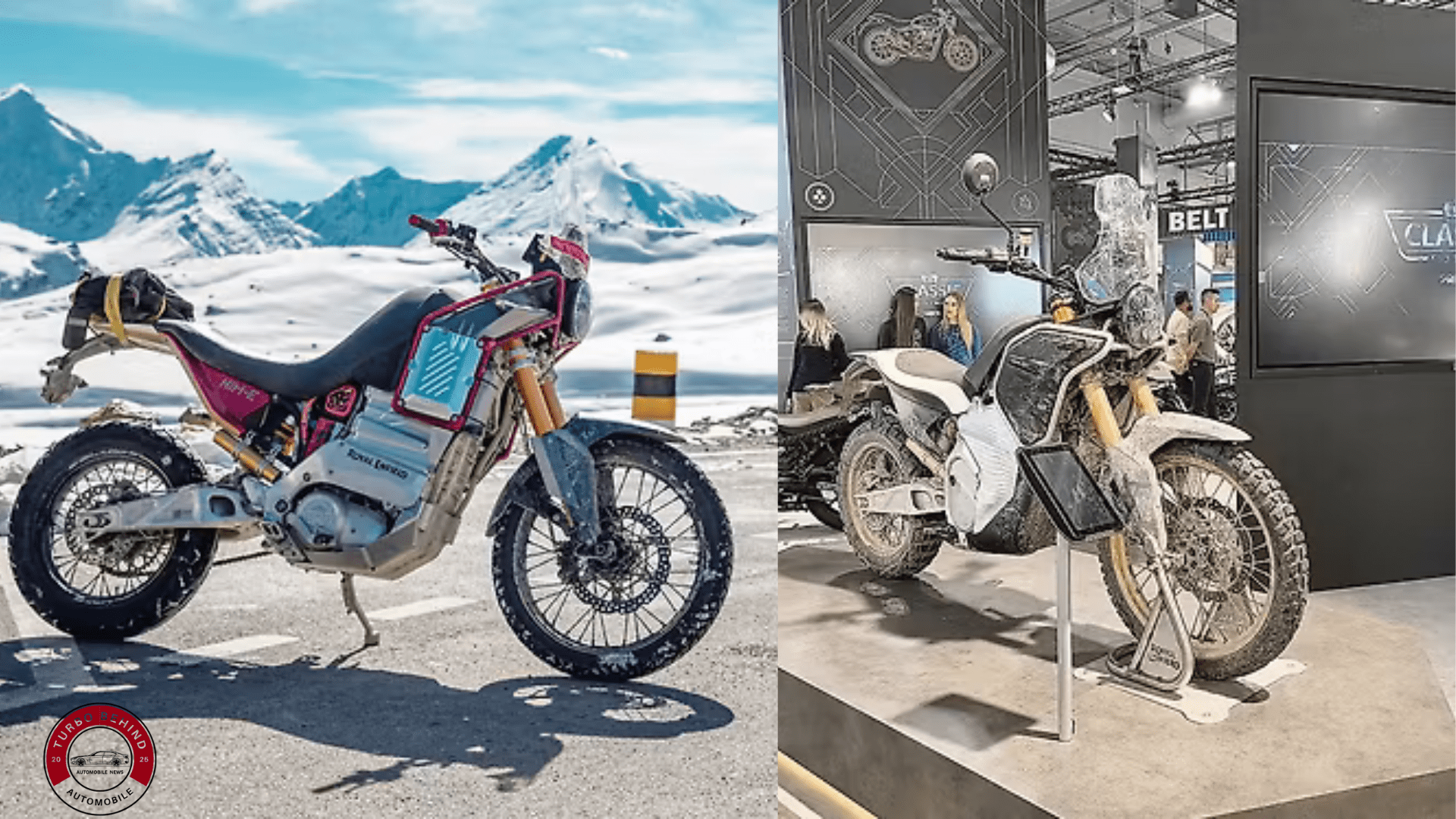
For more than a century, Royal Enfield has been selling a feeling, not vehicles. The company has always prioritized the unique experience of a Royal Enfield rider. The specific sound of the engine, its torque, and the feel of the engine’s mechanism create an intimate connection between the rider and the vehicle. However, Royal Enfield seems to be preparing to enter uncharted territory.
The company that made its name and reputation on the sound of the engine is set to embrace the future and enter the electric motorcycle market. While most of its competitors only use electric bikes as a novelty, Royal Enfield is ready to embrace the future.
While the electric Himalayan is set to become the first Royal Enfield model to carry the torch of adventure into the future, will the electric motor kill the cherished characteristics of the Royal Enfield?
Table of Contents
Why Royal Enfield Going To Make Electric Motorcycles
The shift towards electric vehicles is not something that Royal Enfield has considered for a day. They are making a conscious effort to be in the forefront of this upcoming trend. As the emission norms across the world are being made stricter, and the government are promoting alternate methods of transportation, every major manufacturer is scrambling to get in on the act.
Royal Enfield is investing in their electric motorbike brand and are coming out with bikes that are designed to use electric power as their primary source, instead of using petrol driven bikes and converting them to run on electricity. This clearly signals that they are prepared to take on the future of the biking industry and be a part of it for years to come.
The Electric Himalayan is Being Built for Real Adventure
While many electric motorcycles are focused on commuting, Royal Enfield’s electric Himalayan is being built as a true adventure motorcycle. Test prototypes have been seen biking up mountains and through rough terrain, showing that Royal Enfield is ready to tackle the adventure market.
The torque of the electric motor can provide strong power, allowing riders to climb obstacles with ease and maintain control at low speeds. The power of the electric motor may allow the electric Himalayan to be more capable than the petrol model in certain conditions. The electric Himalayan will keep the upright seating position, aggressive stance, and utilitarian look of the current Himalayan, but with the added benefits of an electric motor.
Creating New Engineering Platform for Electric Power
The electric Himalayan is not just a petrol bike with an engine replaced. It is being built on a new platform, which is designed for the electric power. The new frame puts the battery in the heart of the motorcycle’s architecture, resulting in a more rigid structure with better weight distribution that will keep the motorcycle’s stability on challenging trails.
Suspension is likely to be tuned to offer the comfort of on-road and adventure riding, making it easier to tackle the toughest terrains and have a go at long-distance riding. Royal Enfield is building its electric Himalayan to be as tough as its petrol counterparts.
Battery Range and Charging: The Most Significant Bottleneck and Opportunity
Battery range would be one of the most critical aspects of the electric motorcycle, particularly adventure riding models like the Himalayan. I would anticipate a range of about 150 to 250 kilometers per charge depending on the terrain.
Although it is less than what one can expect from a petrol-fueled two-wheeler, I believe advancements in battery charging infrastructure and technology will make the range adequate for most riders. Especially for the frequent adventurer and day-to-day commuter, the range is good enough. The company is also counting on this segment to propel its electric motorcycles to greater heights.
Technology Will Improve Performance but Not the Riding Experience
The electric motorcycle offers a range of benefits that go far beyond just saving the environment. From being able to offer far better acceleration from a standstill due to the torque characteristics, less mechanical complexity which means less maintenance, and improved riding comfort due to the smoothness of the power delivery.
Modern electronics will bring a host of improvements in terms of grip, braking and ride control. Though the fundamental riding experience will be lost, the feeling of freedom and exploration is what the Royal Enfield brand stands for. The motorcycle’s unique character will be retained, but in a new form.
Expected Launch Dates And Positioning
Per the current development rate, it is highly expected that Royal Enfield will launch the electric bike called Himalayan somewhere between the late 2026 to 2027. This segment of bikes will be in the premium range where it will cost significantly.
Conclusively, Royal Enfield might not stop producing petrol motorbikes. A new electric bike and petrol bikes can co-exist, so people have an option to choose between the two they like.
Conclusion
Royal Enfield goes electric is a significant step and a memorable event as the company continues its development. While the technology changes and the sound is different, the essence of adventure and exploration will remain the same.
The motorcycle itself was never about the sound it makes. It is about the journey and the ability to reach any destination regardless of terrain and distance. As long as the feeling of freedom and travel is present, the Himalayan electric motorcycle will not hurt the brand in any way. On the contrary, its popularity might increase instead of declining due to the shift to electricity.