
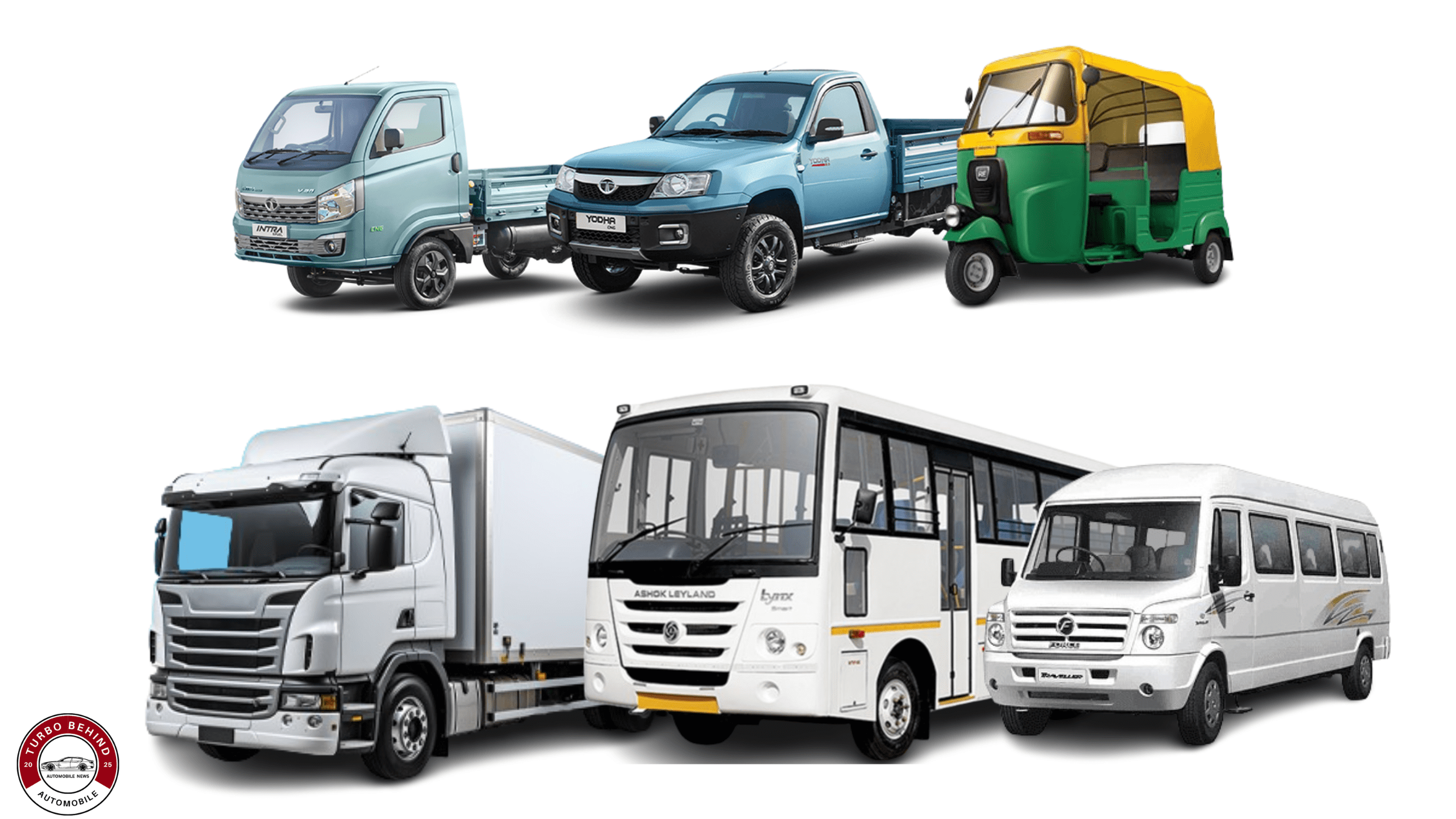
The recent changes to the Goods and Services Tax (GST) rate slab for commercial vehicles in India can hardly be called a measure that will not bring positive changes. The transport sector, which in India is fragmented and often leads to corruption, is forced to buy more expensive vehicles due to high import duties. One of the priorities of the authorities at the moment is to reduce taxes on industrial goods and services in order to stimulate the economy. The impact of this decision will be felt not only in the transport sector but also beyond it.
In this essay, we will discuss who benefits from the changes and why.
Table of Contents
Trucks – Lower Costs Empower India’s Logistics Infrastructure
Trucks play a vital role in India’s logistics sector. Almost all goods including agricultural products, consumer goods, and industrial goods are transported via trucks at one point in the supply chain.
Earlier, due to a high Goods and Service Tax (GST), buying trucks used to be expensive for many small-time truck owners. However, since GST rates on trucks have been reduced, it has become affordable for them to buy a truck.
Some benefits of this include:
Reduces EMI: Lower prices for trucks mean that transporters who buy trucks on an exchange basis or take a loan will have to pay back lesser amounts.
Drives competitive pricing: Since transporters buy trucks at a lower price, they can provide competitive pricing to their clients.
Accelerates the growth of small-time players: Small-time truck owners who own a handful of trucks can now scale up and compete with big logistics firms.
For owner-drivers who manage a small group of trucks, the reduced prices of trucks can be a shot in the arm.
Tempos – Facilitating Small Business Growth and Last Mile Logistics
The use of tempos and small commercial vehicles play a significant role in last-mile delivery in large cities, towns, and even in semi-urban regions. Shop-keepers, small-scale manufacturers, and drivers use them on a large scale.
As GST rates have dropped, making these vehicles more accessible to first-time buyers, the benefits of using tempos and small commercial vehicles include:
Increased accessibility: This is convenient for small-scale entrepreneurs
Higher income for drivers due to reduced capital investment and lower repayments on loans
Driving more will promote local commerce and help keep the economy growing, especially in smaller cities and towns, as there are fewer transport options available.
Buses – Improving Public Transport and Passenger Safety
Buses, the backbone for public transport in cities, towns and villages are in great demand and are run by schools, private players and local transporters. Reduction in tax rate of Goods and Service Tax (GST) will result in better buses being bought by the operators.
The impact of this could be:
Improvement in passenger safety: Newer buses would have better safety features as compared to older ones.
Development of rural infrastructure: Private operators will be able to serve new locations.
Opportunity for schools and tourists: School operators and tourist operators will see lower costs of buying buses.
This in turn will lead to replacement of old buses with new ones, resulting in improvement in safety and reduction in emissions.
Tractors – Reducing Financial Pressure on Farmers
A tractor is a farm implement, which is a source of income for the farmers. Not only for cultivation purposes, but also for transportation and rental services, tractors are helpful. Reduction in GST rate will help farmers get mechanization at affordable cost.
The benefits offered by this include:
Farm mechanization: Farmers can go for mechanization of farms instead of using labor.
Minimizing the burden of loan: As the cost of the tractor is coming down, the EMI will also be affordable.
Income generation: The farmers who own tractors can also provide them for rental services resulting in additional income.
Wider Economic Benefits of Reduction in GST
The benefits of reduced GST go beyond just affecting the purchasing power of individuals.
Encourages expansion of transport business: Business owners will have more money to spend on their business activities. So, expansion of business is likely to happen.
Urges modernization: With the rise in income, people are likely to switch to higher-end vehicles.
Job creation: More jobs for drivers and mechanics due to expansion of business and people buying new vehicles.
Better infrastructure: Transportation has become easier and faster. So, connectivity in rural and urban areas is likely to improve.
Control over market price: As transportation cost reduces, it is possible to control the market price of products.
Example: Before vs. After GST Impact
| Vehicle Type | Old GST Rate | New GST Rate | Average Buyer Savings* | Key Beneficiary |
|---|---|---|---|---|
| Trucks (Light & Medium) | 28% | 18% | upto ₹4,50,000 | Small fleet/logistics owners |
| Tempos & SCVs | 28% | 18% | upto ₹80,000 | Self-employed drivers, shopkeepers |
| Buses (Private/School) | 28% | 18% | upto ₹4.5 lakh | Schools, rural transporters |
| Tractors | 12% | 5% | ₹30,000–₹50,000 | Farmers, rural entrepreneurs |
In Conclusion A Major Leap Toward Getting More Money
Cutting the GST rate on commercial vehicles will be a major boost to India’s transporters and entrepreneurs, and will help modernize farmers. By cutting the tax on trucks, tempos, buses and tractors, this move will lower prices and promote the modernization of commercial vehicles in order to create a competitive market in India.
Not only does this decision provide transporters with an opportunity to boost their sales, but it also helps farmers make the best use of their resources.
This is a major move that will stimulate the economy in rural areas, and will help boost India’s transport sector.
How does the GST cut benefit fleet owners?
With reduced upfront costs on vehicles, there will be a lesser EMI burden on the owner, thus allowing for reduced operating costs and room to grow their fleet.